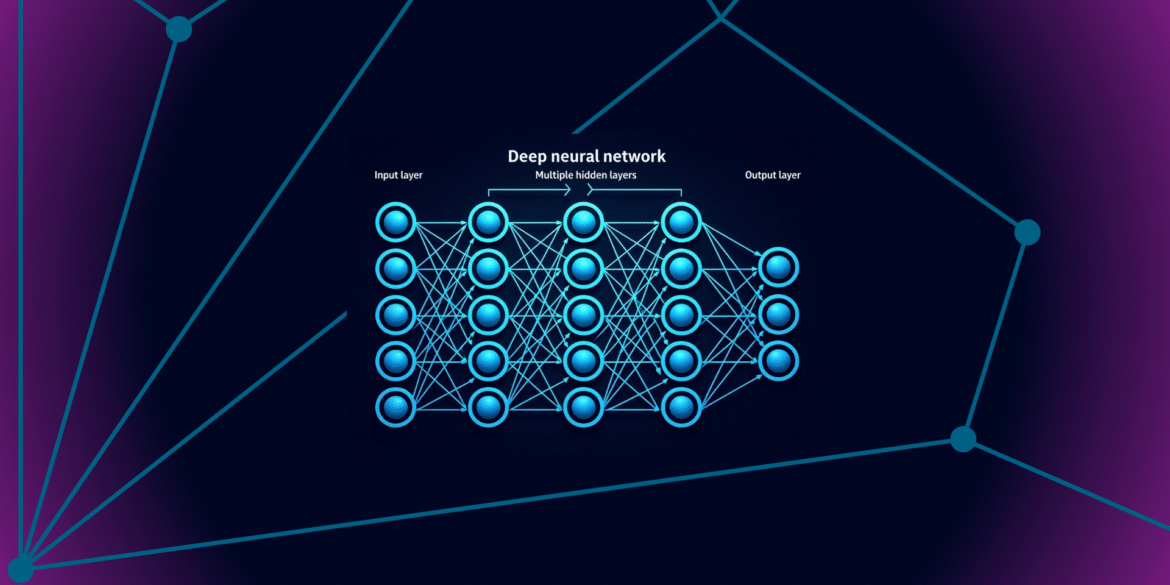
Open weights refer to the publicly accessible parameters or weights of a neural network model, typically a large language model (LLM). These weights can be used, modified, and redistributed without significant restrictions, allowing for broad applications in AI development, research, and innovation. However, open weights do not provide access to the model’s architecture, training code, or dataset, limiting transparency and customization compared to open-source models.
The Details
Definition and Purpose
Open weights are part of a model where the trained parameters are made available for use and modification by others. This approach is distinct from open-source models, which provide full access to the source code and training data, enabling complete transparency and customization. The Open Weight Definition outlines criteria for distributing these models, ensuring free redistribution, access to the actual weights, and the ability to create derived works.
Key Features
- Accessibility and Use: Open weights models are accessible for a wide range of applications, including commercial use, academic research, and personal projects. This fosters innovation and collaboration within the AI community.
- Transparency and Control: While open weights promote transparency by allowing users to examine and modify the model parameters, they do not provide full insight into the model’s architecture or training methodology. This limits the ability to evaluate biases or societal impacts thoroughly.
- Comparison to Open Source: Unlike open-source models, which offer complete transparency and customization by providing the source code and training data, open weights models concentrate control among the original creators while enabling broader application development.
Examples and Applications
Examples of open weights models include the LLaMA series by Meta AI and Mistral models by Mistral AI. These models can be fine-tuned for specific tasks, contributing to AI innovation and research. Platforms like Hugging Face often host these models, making them easily accessible for download and use.
Benefits and Challenges
Open weights models encourage collaboration and innovation by allowing developers to use and modify state-of-the-art models. However, they may lack the transparency needed to fully understand and address potential biases or limitations, which can be critical for responsible AI development.
References and Further Reading:
- https://openweight.org
- https://promptmetheus.com/resources/llm-knowledge-base/open-weights-model
- https://promptengineering.org/llm-open-source-vs-open-weights-vs-restricted-weights/
- https://www.ftc.gov/policy/advocacy-research/tech-at-ftc/2024/07/open-weights-foundation-models
- https://www.reddit.com/r/LocalLLaMA/comments/1iw1xn7/the_paradox_of_open_weights_but_closed_source/
- https://www.popularmechanics.com/science/a63633889/deepseek-open-weight/
- https://github.com/Open-Weights/Definition
- https://www.forbes.com/sites/adrianbridgwater/2025/01/22/open-weight-definition-adds-balance-to-open-source-ai-integrity/